7 Track Day Tips for Sharper Shots and Better Stories
If you’ve ever been to a track day, you know the energy is electric—engines roaring, tires squealing, adrenaline pumping. As a photographer, that kind of environment is a goldmine for powerful shots—but also full of challenges. Since starting Shutterwalk, I’ve had the chance to shoot quite a few track days, and along the way, I’ve picked up some tips that help me tell better stories through the lens.
Here are a few things I’ve learned that might help you, whether you’re shooting your first event or your fiftieth:
1. Scout the Track Early
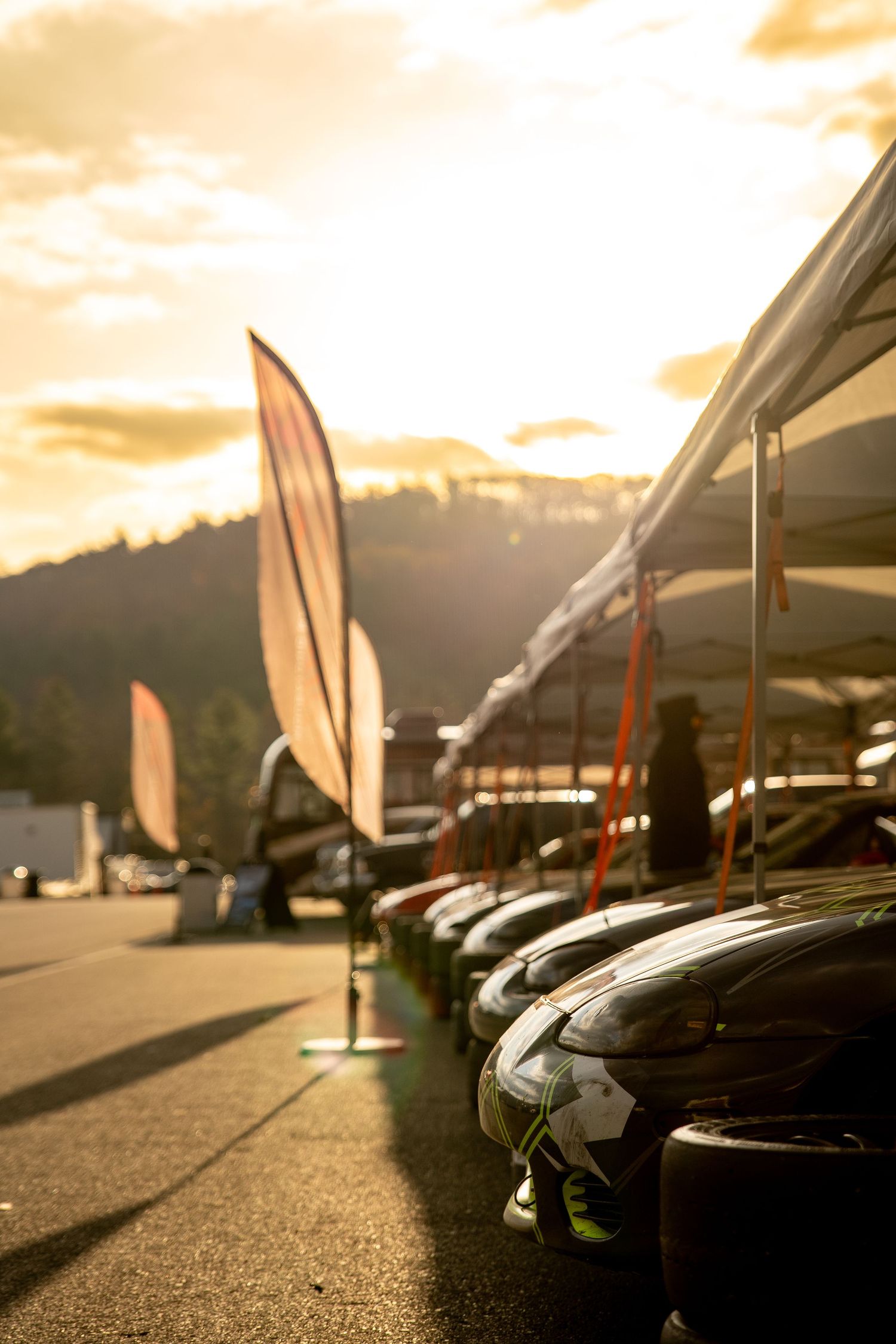
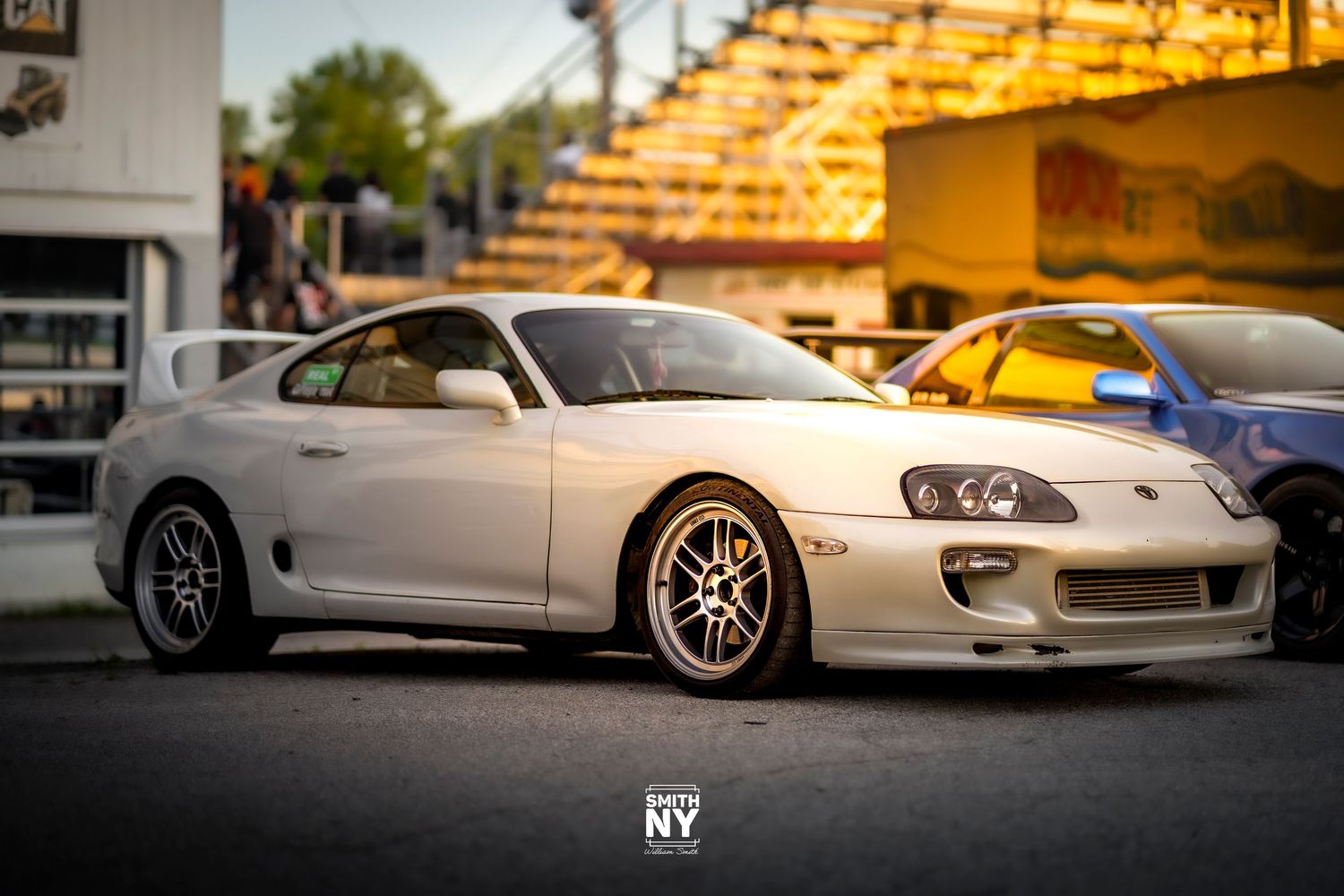
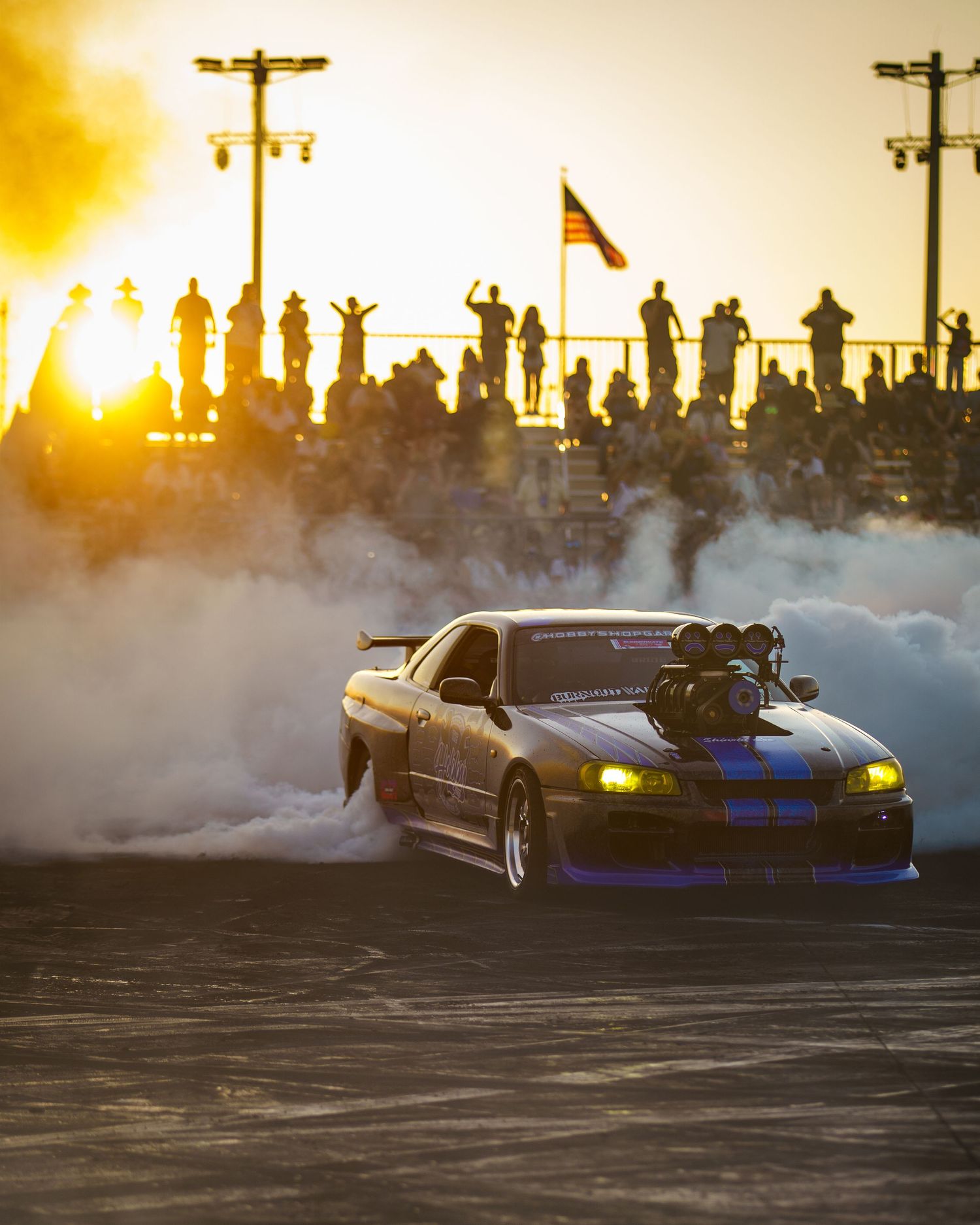
Get there before cars hit the asphalt ( If possible). Walk the paddock, find corners with dynamic angles, and look for elevation changes or natural backdrops. Knowing where the action looks best saves you from scrambling mid-session. Just as important—take note of where the sun rises and sets. Lighting can make or break a shot, especially during golden hour or when strong backlight silhouettes the cars. Position yourself with light in mind to get the most dramatic results.
2. Shutter Speed Is Everything
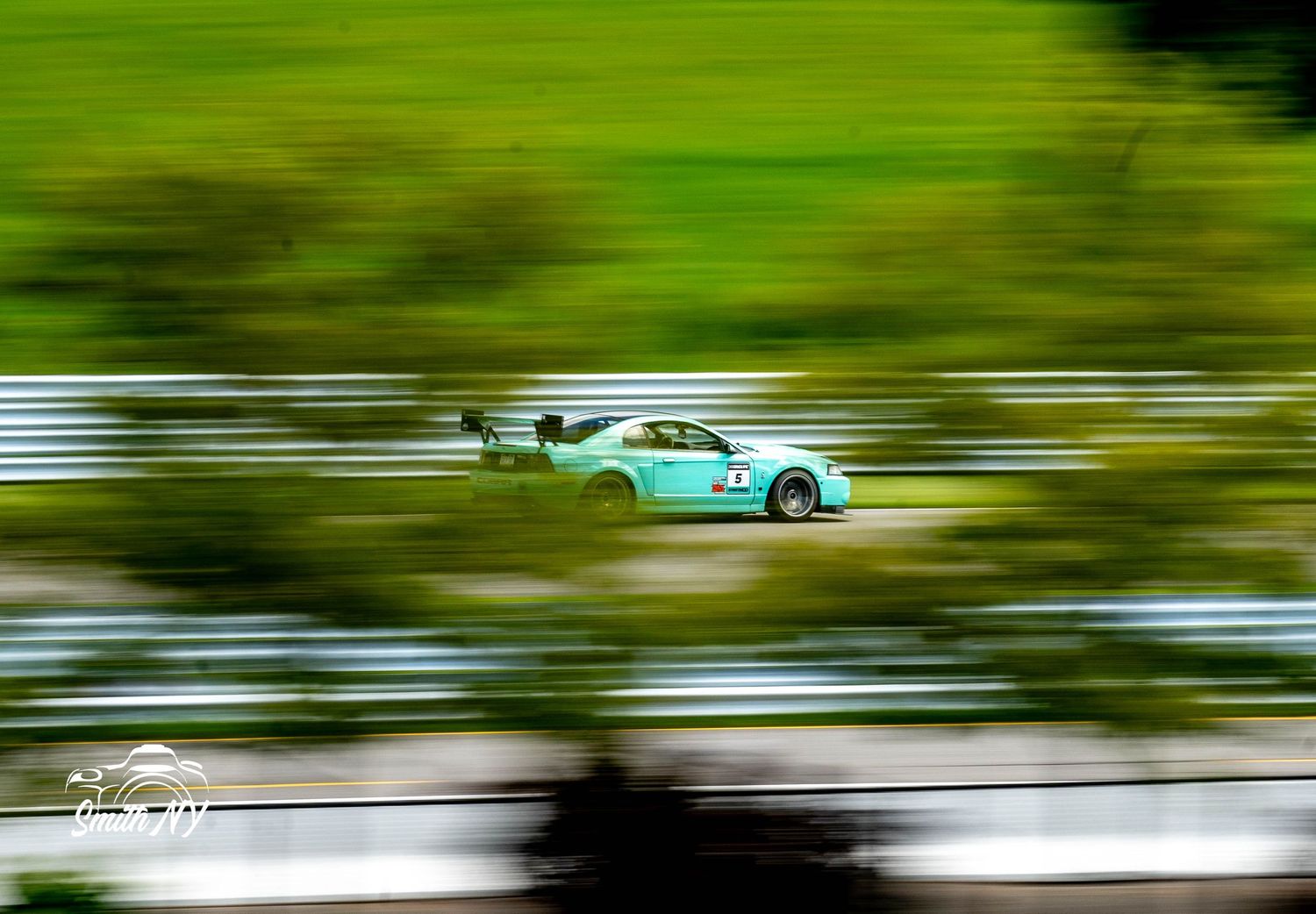
Want to capture motion and not just a frozen car? Start around 1/125 sec for panning shots. It takes practice, but when you nail it, the background blur makes the speed come alive. Keep in mind you have to follow the car with your camera at the same speed. Plant your feet and rotate with your hips. (shooting in shutter proprity helps alot!)
3. Bring a Zoom Lens (and a Backup Plan)
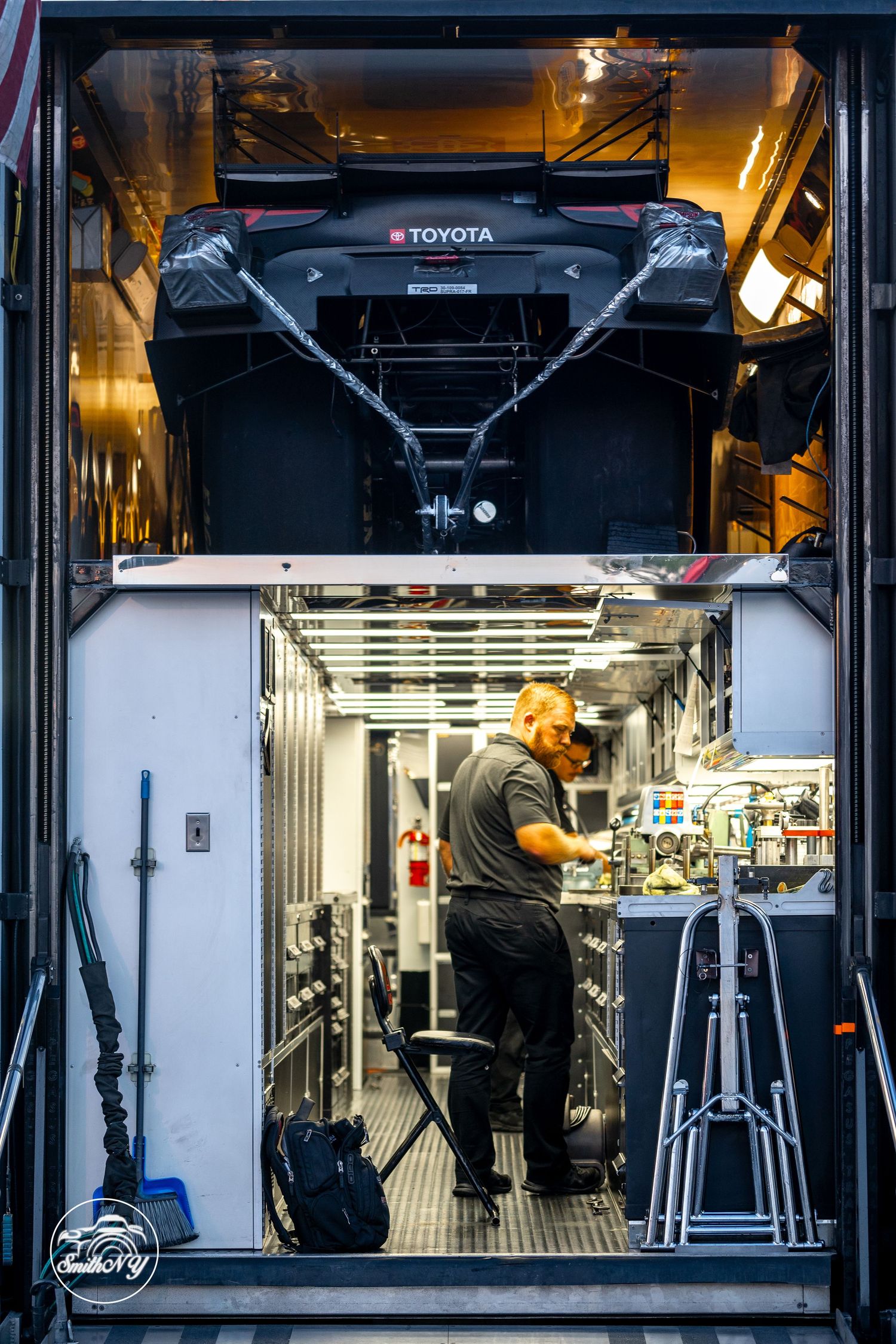
Something like a 70-200mm lets you stay safely back while still getting close to the action. But don’t forget a wide lens for pit and paddock shots—the story isn’t just on the track.
4. Use Burst Mode Wisely
It’s tempting to hold down the shutter and fire off dozens of shots per second—especially when cars are flying by at full speed. But burst mode can be a double-edged sword. You’ll quickly chew through memory cards and battery life, and sorting through hundreds of nearly identical frames later can be overwhelming. Instead, time your bursts for key moments: when a car crests a hill, hits the apex, or kicks up dust in a drift. Learn the rhythm of the track, and anticipate the action—that’s when burst mode becomes a precision tool, not just a crutch.
5. Don’t Sleep on the Details
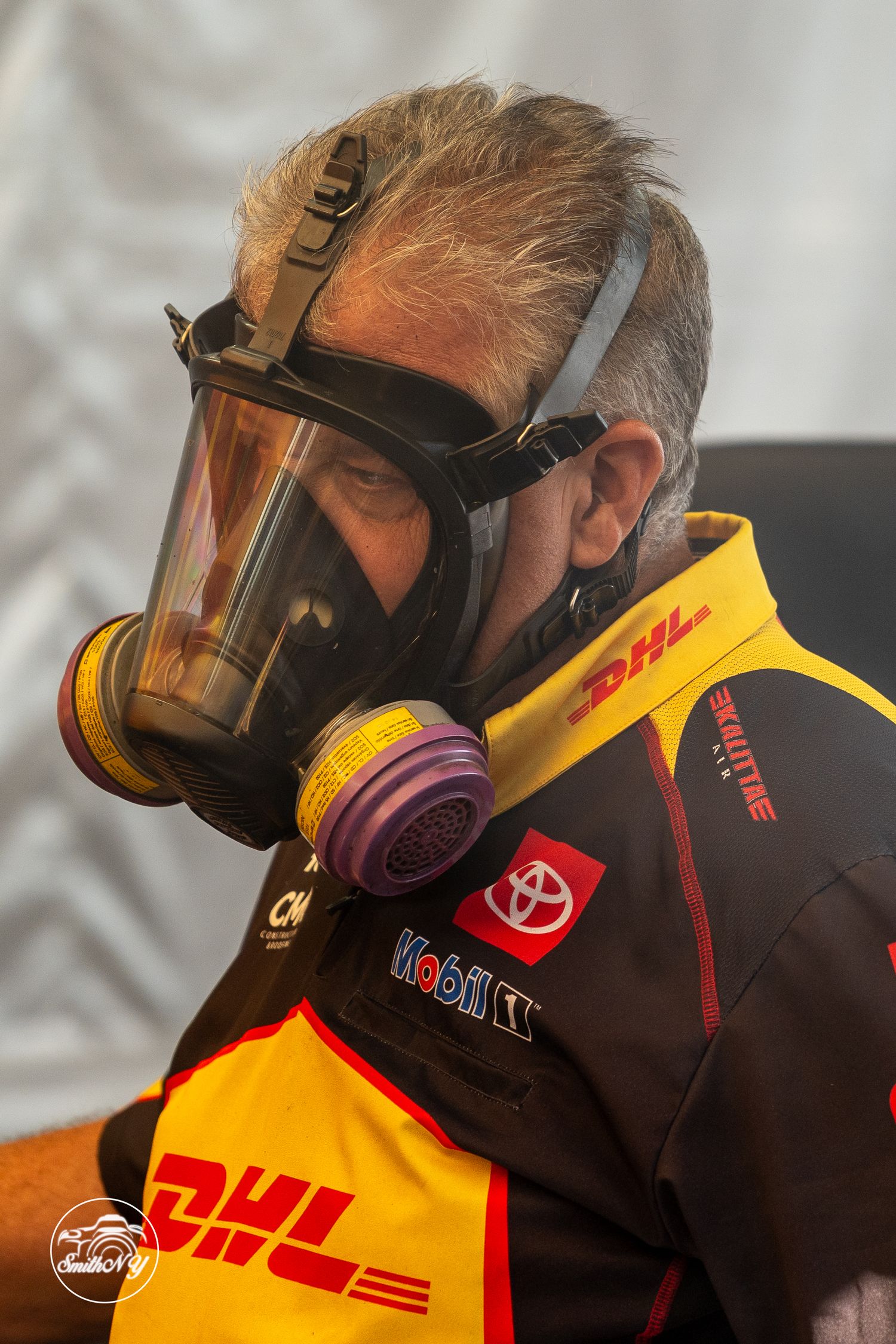
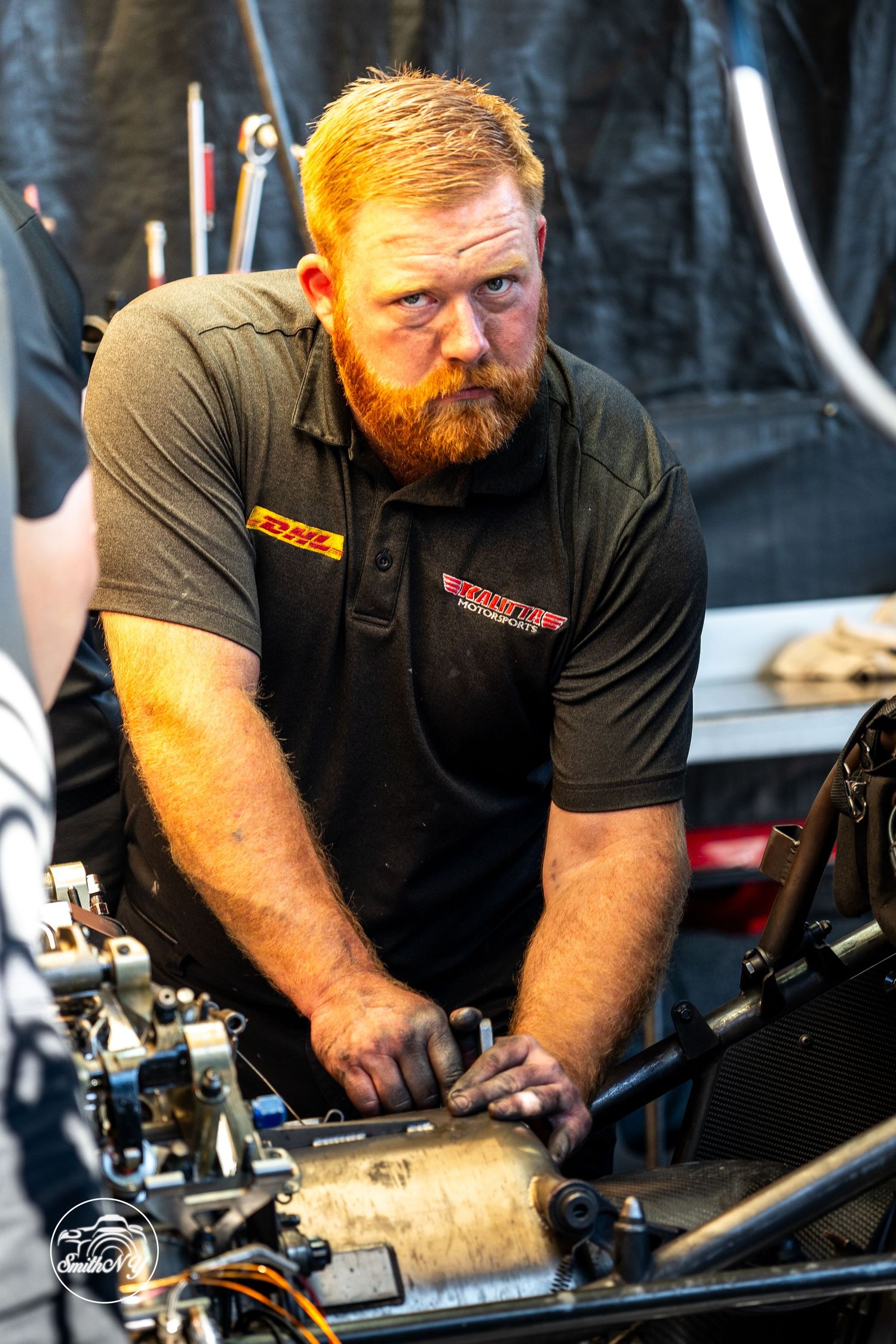
While the cars on track are the stars, the supporting cast tells the deeper story. Look for the moments most people miss: grease-streaked hands tightening a lug nut, a driver adjusting their gloves, reflections in a helmet visor, or a pre-race coffee shared in the paddock. These human and atmospheric elements give your photos emotional weight and help your audience feel like they were there. Think of your camera as a storyteller, not just a high-speed shutter.
6. Respect the Rules and Barriers
Track safety is no joke. Always stay behind the barriers, and never cross a hot track unless you're credentialed and it’s cleared. You can’t take photos if you’re hurt.
7. Tell a Story
A bunch of random car photos is fine—but if you can build a visual arc from pre-grid to podium, your gallery will stand out. Try to cover start, middle, and end.
Everyone shoots differently, but hopefully these tips spark some new ideas for your next track session. Photography is a balance of timing, instinct, and preparation—especially when everything’s moving at 100 mph.
Got your own tips or a favorite track to shoot at? Drop a comment—I’d love to hear how others approach it.
Watch some track days unfold over on YouTube --- > SmithNYPhoto Dont forget to subscribe!